 العربية
 English

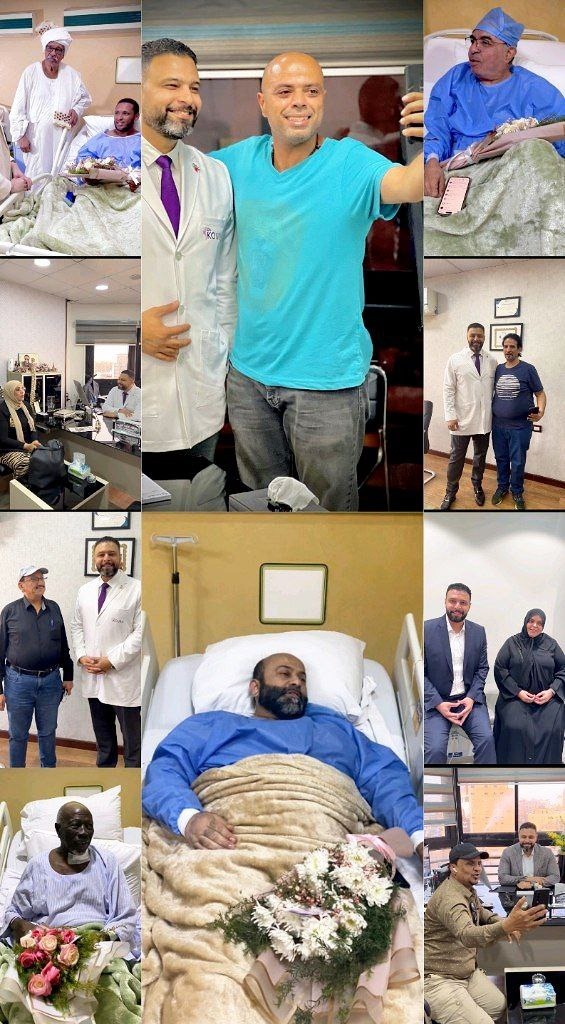
To see patients' reviews
Click hereNerve Root Injections
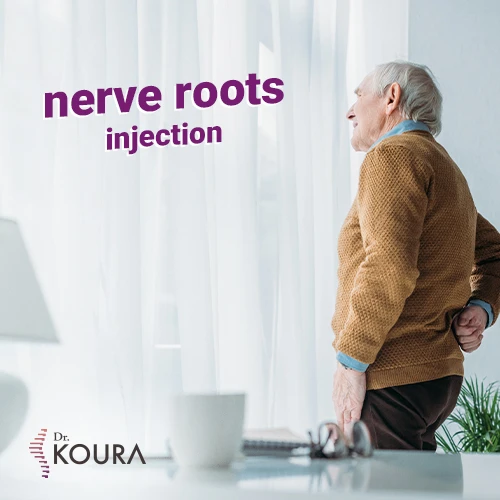
Symptoms
What are Lumbar nerve root injections?
Lumbar nerve root injection is a non-surgical technique in which the lumbar nerve roots are injected to treat pain caused by nerve root inflammation. This pain is usually felt in the lower back and may radiate to the legs. Lumbar nerve root injection helps reduce inflammation and relieve pain without surgery.
What is the purpose of Nerve Root Injections?
Nerve root injections are performed for several reasons, such as: - Stopping or reducing pain - Improving the patient’s ability to walk for longer periods without pain - Avoiding surgery, and in some cases, they are considered an ideal solution to delay the need for surgery - Reducing the inflammation in the nerve roots
How does the doctor perform Nerve Root Injections?
Nerve Root Injection procedures are performed in an operating room under local anesthesia and sedation. A fine needle is guided using interventional radiology equipment to the nerve roots, where the required substances are injected. This minimally invasive procedure is used to help reduce nerve inflammation and relieve pain effectively without surgery.
Is Lumbar nerve root injection considered surgery?
Lumbar nerve root injection is considered a procedure but not a surgical one, as it is performed using a fine needle without surgical incisions or blood loss.
How is a patient diagnosed to determine if they need Nerve Root Injections?
Dr. Mohamed Koura examines the patient after listening to their complaints and taking a complete medical history. He then conducts certain tests to determine the cause of the pain and may request imaging tests such as X-rays or MRI scans. These tests help determine if the patient has nerve root compression or inflammation, which is essential for selecting an appropriate Sciatica Treatment and Herniated Disc Treatment plan.
How long does the Nerve Root Injection procedure take?
The procedure takes about 30 to 45 minutes in the operating room.
What happens after the Nerve Root Injection procedure?
After the procedure, the patient is transferred to their private room to rest for an hour or two, after which they can leave the hospital. From the first day, the patient can resume their daily activities normally, with some precautions as advised by Dr. Mohamed Koura.
How soon after the procedure can the patient travel by plane?
Nerve root injection is a simple non-surgical technique, so the patient can travel by plane within a day or two, with no adverse effects on their health.
What are the benefits of Nerve Root Injections?
Nerve root injections offer numerous benefits, including: - Pain relief in a simple and easy way, potentially avoiding the need for surgery - Very quick recovery time - A very safe method with no harm
Can Nerve Root Injections cause nerve damage or paralysis?
Many patients believe in a common misconception which states that nerve root injections will result in paralysis and permanent nerve damage. The statement is false because the needle used for nerve injection is the same size as a regular injection needle which does not create any danger to patients.
What substances are used in the injections?
Nerve Root Injection procedures can use multiple substances, including anti-inflammatory drugs, Hyalase, Marcaine, and corticosteroids. The type of injection is determined by Dr. Mohamed Koura based on the patient’s health condition and diagnosis.
Nerve Root Injection may provide long-term or short-term pain relief depending on the underlying cause. In some cases, it offers significant and lasting relief for specific types of nerve root inflammation, while in other cases it helps control severe nerve compression caused by disc herniation and supports patients who may require further treatment. Patients must follow all post-procedure instructions provided by Dr. Mohamed Koura to help prevent inflammation from returning.
Can Nerve Root Injections be repeated?
Nerve root injections treat inflammation, meaning they are completely safe and can be repeated multiple times if inflammation occurs again.
Dr. Mohamed koura is here to assist you using the latest therapeutic techniques, including thermal radiofrequency and laser treatments for spinal pain without surgery—book your appointment now from here.
Why Choose Dr. Mohamed Koura ?
Simply because he is the best doctor. He stays updated on the latest treatment technologies through his participation in various international conferences with leading foreign doctors and experts. Finally, and most importantly, Dr. Mohamed Koura is the best doctor in Egypt and the Arab world, possessing 12 non-surgical techniques for treating spinal and joint problems. He was the first to introduce modern interventional treatment techniques in Egypt and the Middle East and is the only one using the disc fx technique to treat spinal pain.
Watch Dr. Koura through videos
By following Dr. Koura on social media, you can watch videos to learn more about pain management techniques
Dr. Mohamed Koura’s clinic provides advanced interventional pain management treatments without surgery, including radiofrequency ablation, Disc-FX endoscopic discectomy, catheter-based treatments, nerve root injections, and treatments for herniated discs, joint pain, and spinal conditions.
Yes, in many cases a herniated disc can be treated without surgery using minimally invasive techniques such as Disc-FX endoscopy, radiofrequency therapy, or image-guided injections. The appropriate treatment is determined after proper medical evaluation.
Radiofrequency is a modern pain management technique that uses heat energy to interrupt pain signals coming from the affected nerves, helping to significantly reduce chronic pain without the need for surgery.
Disc-FX is a minimally invasive endoscopic technique used to treat herniated discs without open surgery. It precisely removes the damaged disc tissue causing pain, resulting in faster recovery and fewer complications.
Recovery time is usually much shorter compared to traditional surgery. Most patients can return to their normal daily activities within a short period, depending on the procedure performed.
Yes, nerve root injections are highly effective in reducing pain caused by herniated discs or nerve inflammation. They provide fast and targeted pain relief.
Results vary depending on the patient’s condition and disease severity. In many cases, non-surgical treatments provide long-term relief when combined with proper medical follow-up and lifestyle adjustments.
A life without pain without surgery
Once you book with Dr. Koura
Get rid of pain with just one call… Book your appointment now with Dr. Mohamed Koura, the best pain management doctor and a specialized consultant in spine treatment.
The highest success rates thanks to years of experience and scientific development
Using the latest non-surgical technologies available in Egypt and the Middle East
The largest team specialized in treating spine and joint pain without surgery































Services
Our Branches
- Egypt - El Mohandssen
- +201210577770
- 54, intersection of Al-Batal Ahmed Abdel Aziz Street with the League of Arab States, above Qatar National Bank - Mohandiseen - Giza
- Dubai
- +971501232065
- Dubai Healthcare City Phase 2 - Al Jaddaf - Dubai - United Arab Emirates
- دار العظام Dar Al-ezam
- 00201067303035
- ، First Al Sheikh Zayed, Giza Governorate